Selecting a security company involves more than evaluating hardware because it requires a partnership built on reliability during critical moments. Modern systems utilize sophisticated logic and cameras capable of identifying patterns allowing for proactive responses before threats escalate. A professional provider should offer a robust infrastructure that remains operational even if secondary systems fail. Trust is established through consistent performance during emergencies. Understanding service delivery prevents complications and ensures a streamlined experience without hidden costs. When picking a security firm gear matters less than knowing they will show up when things go wrong. Instead of just selling boxes some companies build networks smart enough to spot odd behavior early which stops issues before alarms sound. Even if backup tools crash the main system keeps running. What builds real confidence is proof the technology works mid crisis. Knowing exactly how support rolls out helps homeowners dodge surprise fees and clunky applications.
Established Professional Reputation
A security deal feels more solid when the company behind it has earned trust. Because they have handled technological changes for a long time, players show what staying power looks like. Some outfits stick around by adapting quietly, proving that consistency matters. Newer names rise by making their work transparent. What matters most is steady results. Companies that respond fast stand out especially those with few false alarms. Public reputation helps because local residents talk about who handles problems well. Long term growth shows stability while excellence repeated year after year signals a team ready when things go wrong. Only proven support makes sense for a serious property owner.

Using Smart Tools and Artificial Intelligence
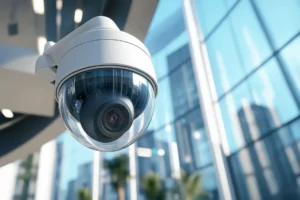
In the current landscape skipping artificial intelligence feels like leaving a door unlocked. Top brands build systems smart enough to tell people apart from passing animals. Because of this, alerts stay rare but meaningful. Only real risks rise to the top which ensures your attention is never wasted on noise. When picking gear you should choose gadgets doing their own number crunching right where they sit instead of sending data away. Speed jumps up when decisions happen close by and secrets stay put. If you need sharp pictures you should never settle for less than 2K detail. Night shots must keep colors clear to avoid the ghostly green glow common in older models. You should also watch for brands that update software often.
Monitoring and Response Speed
Hardware matters yet what really counts is how well systems keep watch. Response time shapes everything about your safety. Instead of relying on one location experts spread operations across backup sites worldwide just so a storm cannot shut things down. This redundancy separates a professional service from a hobbyist setup. Speed matters most when alarms go off. Top companies aim to react to alerts in less than half a minute. Some now send secure messages straight to phones where you can tap once to check or cancel while skipping phone calls entirely. When danger strikes, delays cost too much. Fast help is not just useful but it shapes how well the system protects you.
Clear Pricing and Contractual Flexibility
A surprise fee or a tight contract can eat away at what you get from your security setup. You must ask for a full list of every cost including gear and setup plus monitoring charges. You should watch out when companies lure customers with cheap starts then jack up prices later or bill extra for mobile access. Looking closely at contract details matters for satisfaction. If moving often is a possibility, paying monthly gives more room to change plans. On the flip side locking in for years might reduce prices yet it ties you down. You should always check what happens if you leave early because hidden fees could follow if you switch providers.

System Integration and Scalability
Your alarm setup should play nice with whatever gadgets already run the house. Whether hooked up to Siri or Google it should just work. When lights and cameras listen to one brain everything runs smoother. Needs grow so gear that cannot stretch falls behind. Starting small means new parts can slide into place later. Growth stays smooth when the company supports upgrades so there is no need to scrap what you own. Each added piece should fit without forcing full replacements. What works today keeps pace tomorrow if flexibility is built in. Extra gadgets should join the setup quietly to avoid messy reboots. Smart planning now avoids total swaps later on because the framework adapts.
Professional Installation vs DIY Deployment
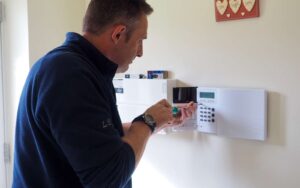
How something gets set up matters. When people feel confident handling small tech tasks, building it themselves can save money while fitting their own timeline. Setup usually works right away even if nobody shows you how. Few skills are needed thanks to thoughtful design behind most self install options. Even so, getting help from a professional brings accuracy. Spotting where sensors work best is something skilled workers handle without guesswork. Wires are managed without cutting corners. Bigger homes often run smoother when an expert adjusts everything just right. Digital safeguards need setup too and professionals make sure signals stay locked down tight.
Ongoing Support and Maintenance
Keeping security systems running well means watching them closely. You should look at how the company handles help especially if someone answers any hour. Problems today are often sorted without anyone showing up thanks to digital checkups. Some companies now run online scans that catch faulty sensors early stopping breakdowns. Always double check what the guarantee covers. Top companies sometimes give longer coverage for people who pay for updates so broken gear will not bring surprise costs. When a brand backs its devices firmly it shows they care. Checks now and then along with automatic alerts on battery status help keep intruders out even if the power goes off.
Conclusion
A fresh take on protection means mixing smart tools with trustworthy people. Not just quick alerts but clear costs to keep things steady. It could be a big name or a niche team but what matters is knowing someone is watching. When new ideas meet honest practices, control over your own safety shifts into sharper focus.