The Move Toward Anticipating Threats Before They Happen
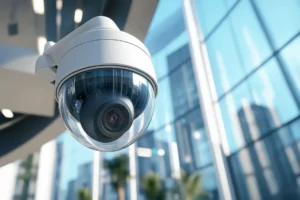
Fifty years back safety meant chasing trouble after it struck. Footage caught break-ins mid-action while sirens wailed once glass shattered on pavement. Now by 2026 everything runs differently. Instead of glancing backward, systems scan ahead predicting actions seconds before impact. Today’s defenses act early, spotting risks and discouraging moves and stopping incidents long before any call to authorities. Smarter tech woven into buildings themselves like AI meeting real-time processing right where it is needed changes everything. When threats scale like factories safety means reacting before signals even finish traveling. Structures once silent now watch and learn and react. Speed is the only thing that counts anymore.
The Power Of Predictive Analytics And Ai Monitoring
A sudden shift happens when motion does not fit the usual flow. Picture a figure lingering near a back entrance long past closing time, their actions edging away from routine behavior. Instead of reacting to every shadow these tools learn patterns over quiet days and busy nights alike. When someone walks where they should not at a pace too slow or too deliberate it stands out like smoke indoors. Learning how people move during shifts helps separate workers doing jobs from strangers with unclear goals. When a car sits too long in a risky spot or people cluster where they should not the response is not passive. Authorities get guidance shaped by past incidents and live public signals pointing them toward places trouble might strike.
Live Action and Prevention
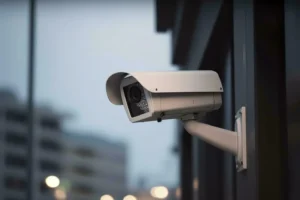
Today’s systems often have tools that stop break-ins before they start. A clever camera spots someone it does not recognize then without waiting it sets off actions on its own. Someone might hear a voice come over a speaker that says they are on camera at a protected spot. The message tells them to walk away right then so there is no confusion. Bright flashing lights might fill a space removing the cover darkness gives wrongdoers. Fog cannons might activate where danger is near pouring thick mist into the air fast enough to block sight completely. A person trying to steal could find themselves lost, unable to make out anything ahead. Security gets a quiet edge when vision fails on command.
Connected Systems Working Together
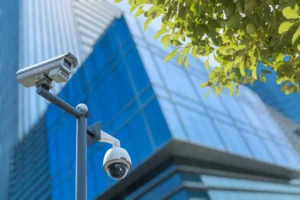
One camera does just one job but networks of devices work together quietly. Picture a door pushed open without permission. Right then a camera swings toward it taking aim while other areas seal off like shutters closing. Seconds matter and reactions happen fast almost before you notice. Fences that sense shaking and readers that check fingerprints all feed into one smart hub. That hub sees everything and connects dots humans might miss. It is just machines paying attention all day.
Beyond Cameras Drones and Smart Sensors
A fresh take on safety gear now involves self-operating helpers. Drones glide along set paths or jump into motion when alarms go off watching areas too wide for people to handle alone. From high above they show what is unfolding on the ground so staff can judge risks without rushing in. Elsewhere tiny detectors listen closely where eyes cannot reach, catching the snap of shattered windows or tense voices rising in recordings. These quiet alerts give teams time to act fast sealing zones or sending aid well ahead of danger spreading.
Visual Check and Quick Help
Most old alarm systems flood responders with fake alerts slowing down help. By 2026 proof by video became normal practice. Instead of a vague signal each warning now carries a sharp video snippet showing precisely when the trip happened. Because artificial intelligence connects actions across devices, footage from the right camera appears the instant a door sensor activates. Folks at home can check things right away when an alert pops up. Because of confirmation police respond faster knowing it is serious. They show up before damage happens instead of after everything goes wrong.
The Role of Edge Computing and Cloud Storage
Right at the moment data appears speed kicks in. Cameras think for themselves now spotting things like someone hanging around too long almost instantly. Because they do their own thinking there is no need to phone home to some faraway computer. The big systems up above still watch over everything, saving every second of video in safe places beyond reach. If a device gets smashed, what it saw lives on locked away securely online. Quick reactions happen on the spot while proof stays guarded behind layers. When trouble shows up, response comes fast and answers remain ready later.
Cybersecurity Redefines Protection Boundaries
When locks go online the boundary shifts into the web of connections. Come 2026 trusted access means nothing without proof so systems treat everything as risky by default. Secure channels plus strong identity checks stop intruders from cutting feeds or unlocking doors remotely. Strange actions inside like someone trying to log in from halfway around the world set off silent alarms and shut things down fast. Guarding the information behind surveillance matters just as much as bolting the main entrance.
The Human Touch Improves Choices
The system hands more power to people who watch over safety. By 2026 workers are not glued to screens anymore because they are guiding outcomes from behind the scenes. What reaches them comes already sorted and trimmed down by software that cuts out almost everything irrelevant. Just a sliver of footage arrives hand-picked because only humans can decide what happens next. Fatigue drops because alerts only come through when danger is certain, making reactions quicker and on target. With clearer reports hitting their desks police move out sooner and deal with solid info instead of guesses.
The Long Term Impact Building Resilient Communities
Stopping trouble before it starts means making places too tough to target so criminals walk away. Think of it like shaping streets and buildings to discourage bad choices only smarter because tech helps. Places using these methods tend to see fewer break-ins and quieter benefits like trust growing between neighbors. Money saved on insurance adds up and homes hold their worth better. Safety built now becomes calm later.